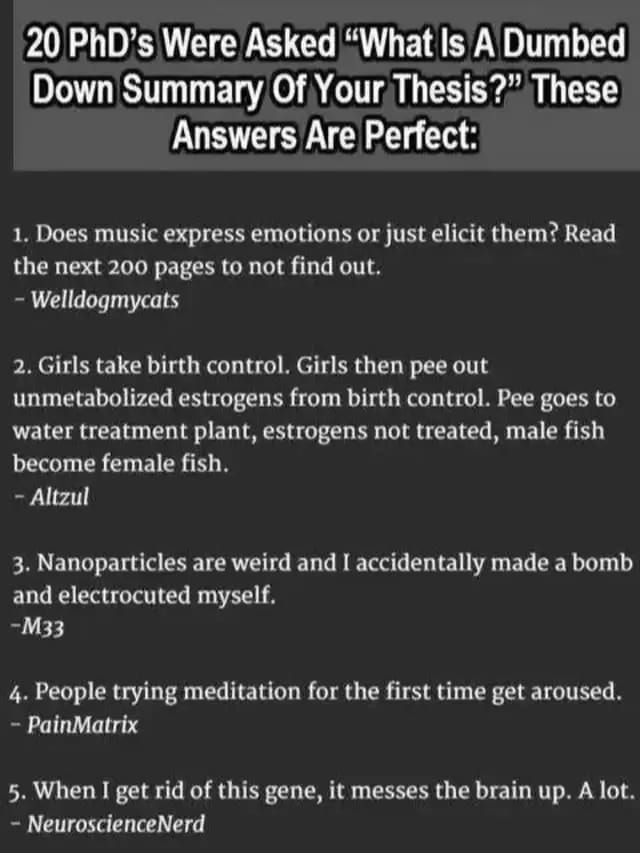
There are so many times you can tell the story of what you are building directly.
The fastest way to bore someone is to start a story with “Here at X we are building Y”
But ironically, this exact sentence, becomes incredibly powerful if:
you add “that is why….”
and place it in the MIDDLE of a story
The magic happens when you make people care about what you are building.
And that is what today’s edition is about.
Science storytelling can get repetitive if you are covering one specific area.
How do you survive in a world of digital media where people expect to be entertained as well as educated?
Short answer: you start the story a different way
💡 IDEA #1: The historian angle

helping people making sense of the world around them
Some of the most impactful technologies to the world, are incredibly “boring” (if explained head-on)
Electrification
Cell Therapies
Spacecraft fuels
Quantum Algorithms
you name it.
But they almost always have an incredible backstory:
Instead of publishing a 3-part series of how electrification will happen in the future
You can tell the story of how Ford and Edison had designed an electric vehicle nearly a century before Tesla launched their model Y.
Then comes… YOU!
If you are building better batteries, working on the base chemistry, building electrification infrastructure or any other number of things you can
then say the magic words
“This is why we are building ….”
💡IDEA #2: The misconceptions
Every story has already been told:
the hero returning home
the David vs Goliath
the big transformation …
People love to hear about misconceptions because it presents an enemy!
Because it makes them zig and zag
Because it makes them think!
But how do you start a misconception story?
The “Everyone Thinks…”
Most people believe AI learns like a human brain. It doesn’t - and that difference matters more than you think.
The “Wrong Question…”
We’ve spent decades asking how to make batteries last longer. The real question is how to make them disappear.
The “Myth vs. Reality”
Full-body MRI scans can save your life. Why Radiologists say No?
Extra tip: Headline news editors are a special breed of human brain. Take inspiration from headlines that grab your attention and adapt them to your
before we keep going….
Over the past year, I’ve been asked for this more times than I can count
so I am hosting a free workshop for video Science Story telling on the 5th of November.
Spots are limited.

💡IDEA #3: The data hack 📊
Do you have an unhealthy relationship with Our World in Data, Statista, Visual Capitalist (and the AMAZING data journalists at the Economist?)
Good - don’t ever change.

Fresh off the data press today
Data is the visual language of science.
Walking people through a graph, a result, a trend
or (better)
talking about why this piece of data is not the full story
is equally powerful.
Extra points for asking questions like
“What is missing here?”
“Why this trend should….”
“Where do you think X happened?”
Everyone likes to say peoples attentions spans are worse than goldfish, but people remember when you made them think and understand.
Extra Points: making custom data charts, Steve Harvey is amazing at this

Hope you enjoyed this week’s edition, send it to a friend that might find it useful!
Until next week,
Giota
P.S A little more science storytelling inspiration here
Storytelling heroes, New Berlin Library ladies went viral for their “trust fall”

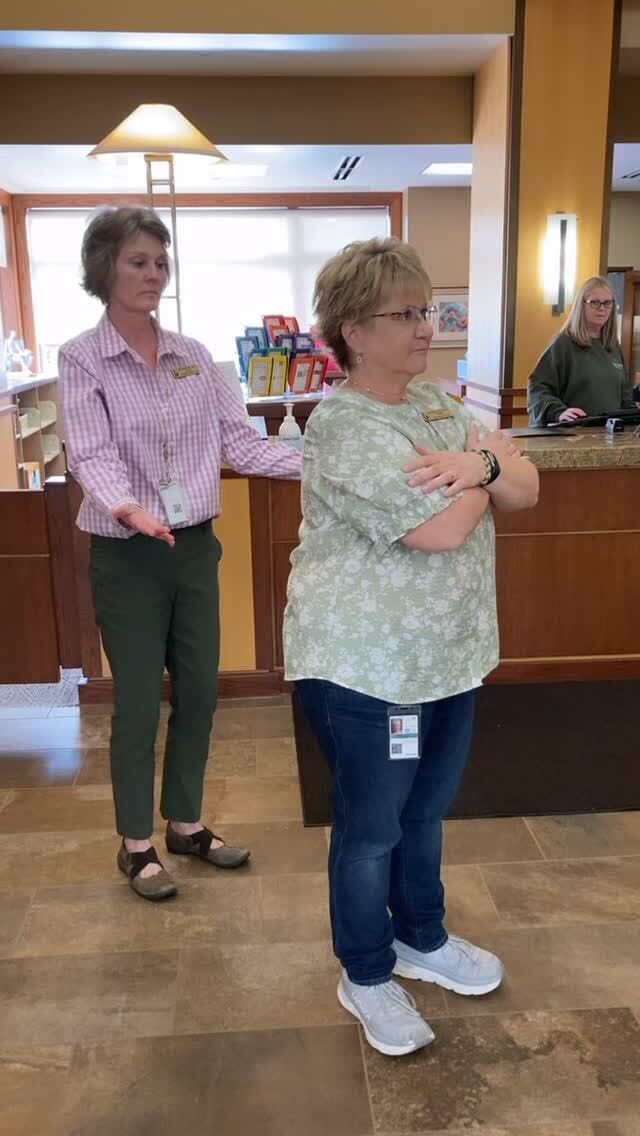
Got a good few giggles out of this one too…